We ship orders the same or next day. DPD delivery: 2–7 days, free from €100. We ship orders the same or next day. DPD delivery: 2–7 days, free from €100. We ship orders the same or next day. DPD delivery: 2–7 days, free from €100.
We ship orders the same or next day. DPD delivery: 2–7 days, free from €100. We ship orders the same or next day. DPD delivery: 2–7 days, free from €100. We ship orders the same or next day. DPD delivery: 2–7 days, free from €100.
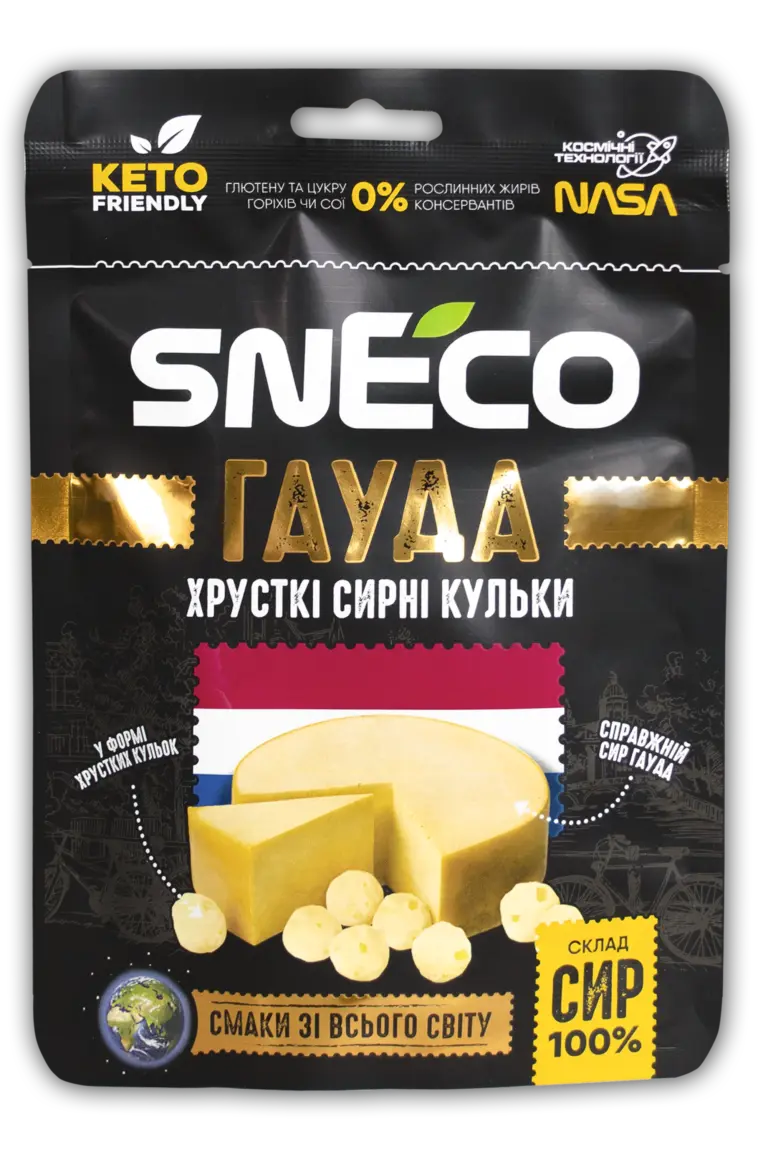
Short answer: you can make cheese crisps at home — in the oven, microwave, air fryer or frying pan. They are tasty, but they are not dried cheese: the cheese melts, the fat renders out, and the result lasts one evening. Real dried cheese — porous, crunchy, with its protein preserved and an 18-month shelf life — requires a vacuum that cannot be recreated in a kitchen.
Oven or frying pan. Grated or thinly sliced hard cheese melts at 180–200 °C, the fat runs out, and the protein bakes into a thin crispy wafer. These are classic “cheese crisps”, or frico — a nice snack with wine, ready in 5 minutes. Downsides: lots of fat on the baking paper, a “fried” taste, and within a few hours the crisps go soggy.
Microwave. The same effect, only faster: 60–90 seconds on baking paper — and the cheese turns into a lacy wafer. It is easy to overdo it until it turns bitter.
Air fryer. Hot circulating air makes the crisps more even, but the principle is the same — melting and frying in their own fat.
Fruit dehydrator. Closest in concept, but at 40–70 °C and without a vacuum the cheese does not “puff up”: moisture escapes slowly, the surface dries into a crust, the inside stays soft, and the fat oxidises in the air. What you get is a leathery, rubbery cheese with a taste of stale butter, which is also unsafe to store: without a vacuum and airtight packaging it spoils quickly.
At snEco, cheese is dried in a vacuum, where water boils at 36–38 °C. The cheese doesn’t heat up, melt or fry: steam escapes from inside each piece and expands it, like dough in an oven. That is why the bite comes out porous and light, the protein is not denatured by high heat, the fat does not leak out, and the moisture drops so low that the product keeps for 18 months without preservatives. This is the patented VacWave technology (patent No. 139035), described in detail in the article how dried cheese is made.
| Homemade cheese crisps | snEco dried cheese | |
|---|---|---|
| Temperature | 180–200 °C (melting, frying) | 36–38 °C in a vacuum |
| Texture | thin greasy wafer | porous crispy bite/stick |
| Fat | renders out, partly oxidises | stays in the product, does not oxidise |
| Storage | a few hours, a day at most | 18 months without a fridge |
| Cost | ≈70 g of cheese for 25–28 g of crisps + time | 94–99 UAH per 28 g pack |
Cheese balls made from homemade cheese (from cottage cheese, with garlic, in oil) are a different dish altogether, closer to an appetiser, and they have nothing in common with crispy dried cheese; the recipe is in the article cheese balls: a recipe.
If you need a snack for tonight and have 5 minutes — make crisps in the oven. If you need a product that sits in the cupboard, travels with you, gives 12–17 g of protein per pack and needs no kitchen — go for ready-made dried cheese: Gouda for a first taste, or the 10-flavour set, to find your favourite.
Author: Pylyp Gryshyn, co-founder of snEco, head of production
Share on:


We’ll call you back and help!

 Dried snEco Cheese “Gouda”, 28 g
  Dried snEco Cheese “Cheddar”, 28 g
  Set “ALL IN” (10 packs), dried snEco cheese