We ship orders the same or next day. DPD delivery: 2–7 days, free from €100. We ship orders the same or next day. DPD delivery: 2–7 days, free from €100. We ship orders the same or next day. DPD delivery: 2–7 days, free from €100.
We ship orders the same or next day. DPD delivery: 2–7 days, free from €100. We ship orders the same or next day. DPD delivery: 2–7 days, free from €100. We ship orders the same or next day. DPD delivery: 2–7 days, free from €100.
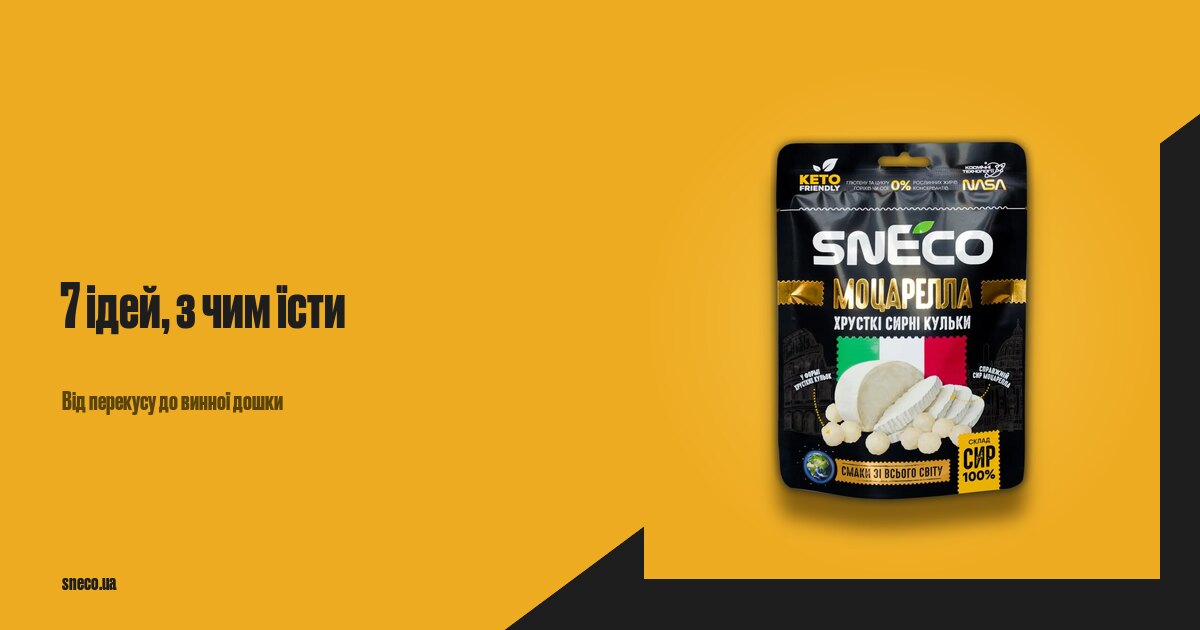
In short. Crispy cheese isn’t just a snack straight from the bag. It works as a crouton substitute in salads, a crunchy note in soup, the base of a wine board and even as breading. Below are seven ways that really work, from the simplest to the most unexpected.
The most common scenario, and there’s nothing wrong with it. A 28 g bag has 12–17 g of protein, depending on the flavour, and about 130–190 kcal. For a snack between lunch and dinner, that’s enough to keep you from checking the fridge every half hour.
The main advantage over nuts or crisps is that your hands stay clean, so you can eat at the wheel or at your laptop.
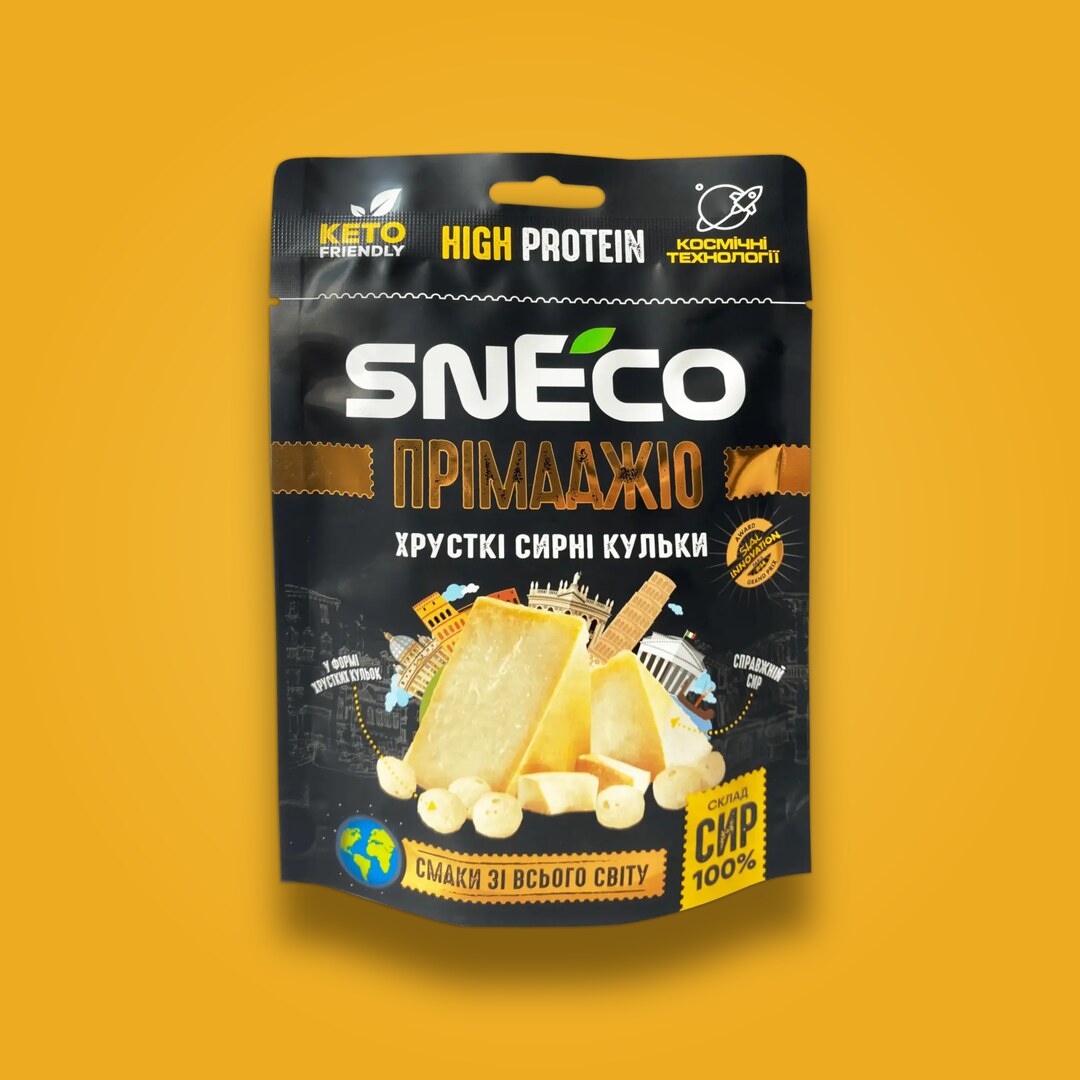
Sprinkle a handful just before serving — not earlier, or the snack will soak up moisture from the dressing and stop being crunchy.
It works best in a “Caesar” instead of croutons: the cheese flavour is already part of the recipe, and the texture adds exactly what croutons do. For a green salad with rocket, Primaggio is the better choice — it’s bold enough to stand out.
Pumpkin, mushroom, broccoli — any cream soup benefits from a crunchy topping. The rule here is the same: sprinkle it in the bowl, not in the pot.
Texture-wise, it’s like cheese croutons, only without the bread — meaning without the carbs.
Three or four flavours in small bowls, nuts, grapes, a bit of cured meat — and the board is ready. There’s nothing to slice, and the cheese doesn’t “sweat” on the table like regular cheese.
It’s the most convenient option when guests are already at the door.
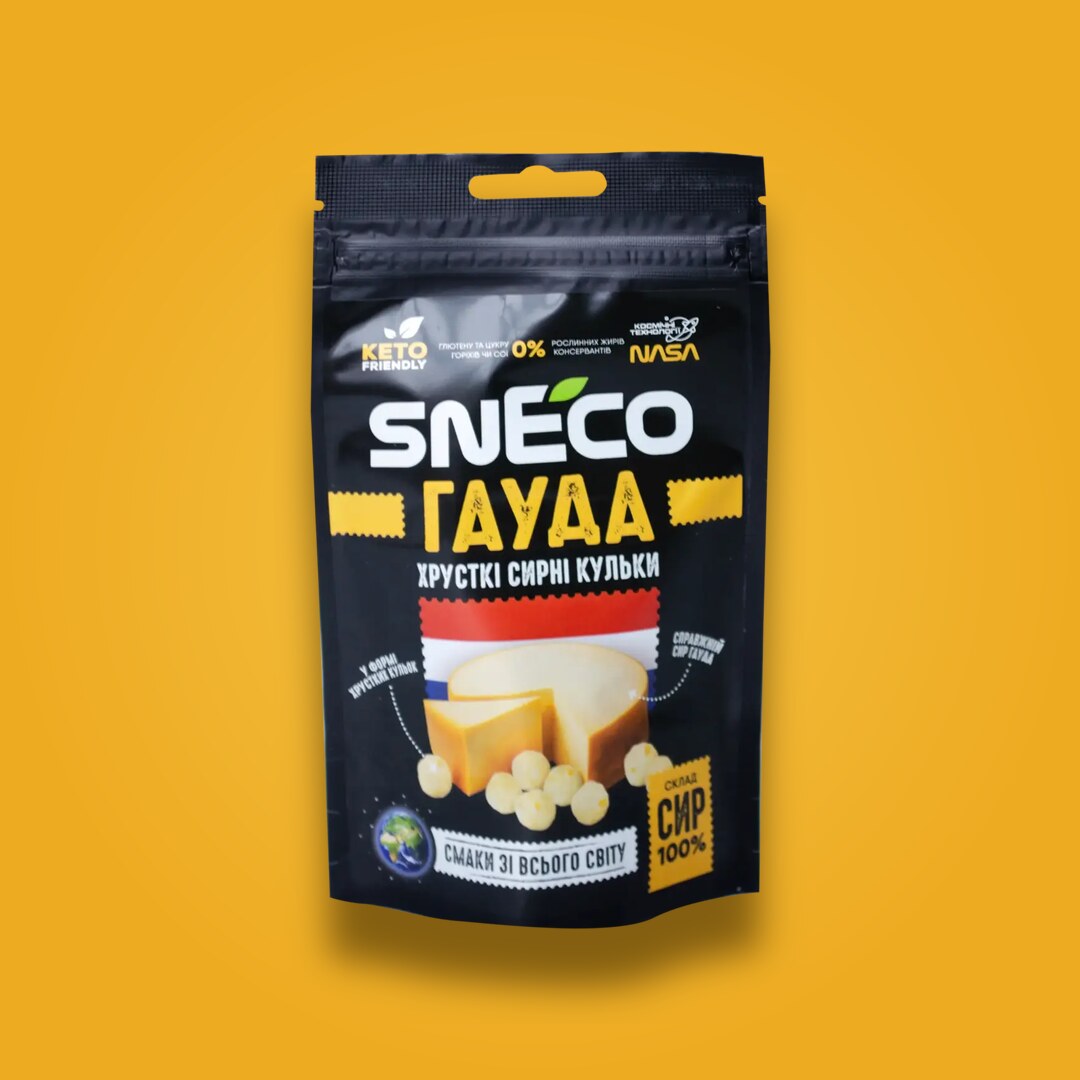
The 14 g format fits into a pencil case or a backpack side pocket. It doesn’t melt, doesn’t break and doesn’t need a fridge — unlike yoghurt or a cheese sandwich.
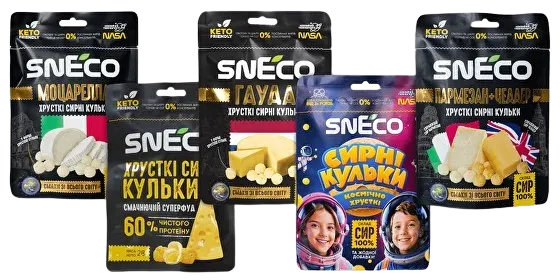
For kids, the range includes the kids’ “Cosmic” — a mild flavour and about 13 g of protein per 28 g bag.
Crush the snack into crumbs — with a blender or just a rolling pin in a bag — and use it instead of breadcrumbs for chicken or fish. You get a cheese crust and zero carbs in the breading.
Rich flavours work best for this: Cheddar or Primaggio.
A road trip, a train, a plane, a hike. The product needs no refrigeration, doesn’t leak and weighs almost nothing. This is where dried cheese has no competition among regular cheeses.
The main practical difference is moisture. Regular cheese adds not only flavour to a dish, but also water and fat: it melts, spreads and changes the dish’s texture. Crispy cheese doesn’t melt or release liquid.
That’s why it works where regular cheese doesn’t: in a salad that has to sit for a while, in a lunchbox, on the road. And vice versa — it doesn’t work where you actually need melting: in a casserole or on pizza.
For a salad for two, half a 28 g bag is enough — about a handful. For soup, a tablespoon per serving, just as a topping. To bread one chicken breast, you’ll need a whole 28 g bag crushed into crumbs.
More isn’t always better: the snack is salty on its own, so you usually don’t need to add more salt to the dish afterwards.
In surveys and reviews, scenarios we didn’t originally anticipate keep coming up:
According to the responses, the last scenario is the most common after a simple snack — and it’s exactly why people come back for a big bag.
Can you bake it?
You can, but there’s little point: when heated, the snack loses its structure and turns into ordinary melted cheese.
Which flavour is the most versatile for cooking?
Gouda — it’s neutral and doesn’t clash with other ingredients. For a bold accent, go for Primaggio or Cheddar.
How long do the crushed crumbs keep?
Make them right before cooking: the crushed snack has a larger surface area and absorbs moisture faster.
Choose flavours for your kitchen
Author: Vadym Gryshyn, co-founder of snEco
Share on:

We’ll call you back and help!

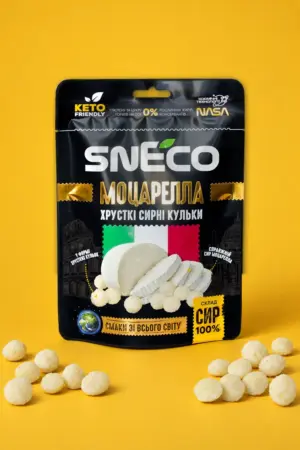 Dried snEco Cheese “Mozzarella”, 28 g
 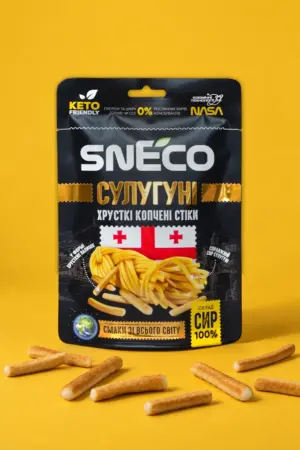 Dried snEco Cheese “Sulguni”, 28 g
 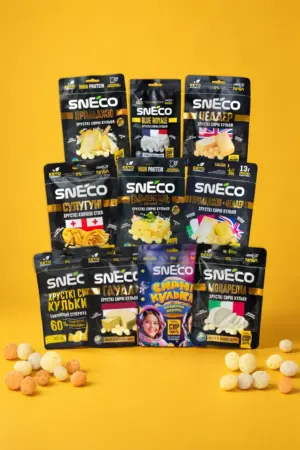 Set “ALL IN” (10 packs), dried snEco cheese