We ship orders the same or next day. DPD delivery: 2–7 days, free from €100. We ship orders the same or next day. DPD delivery: 2–7 days, free from €100. We ship orders the same or next day. DPD delivery: 2–7 days, free from €100.
We ship orders the same or next day. DPD delivery: 2–7 days, free from €100. We ship orders the same or next day. DPD delivery: 2–7 days, free from €100. We ship orders the same or next day. DPD delivery: 2–7 days, free from €100.
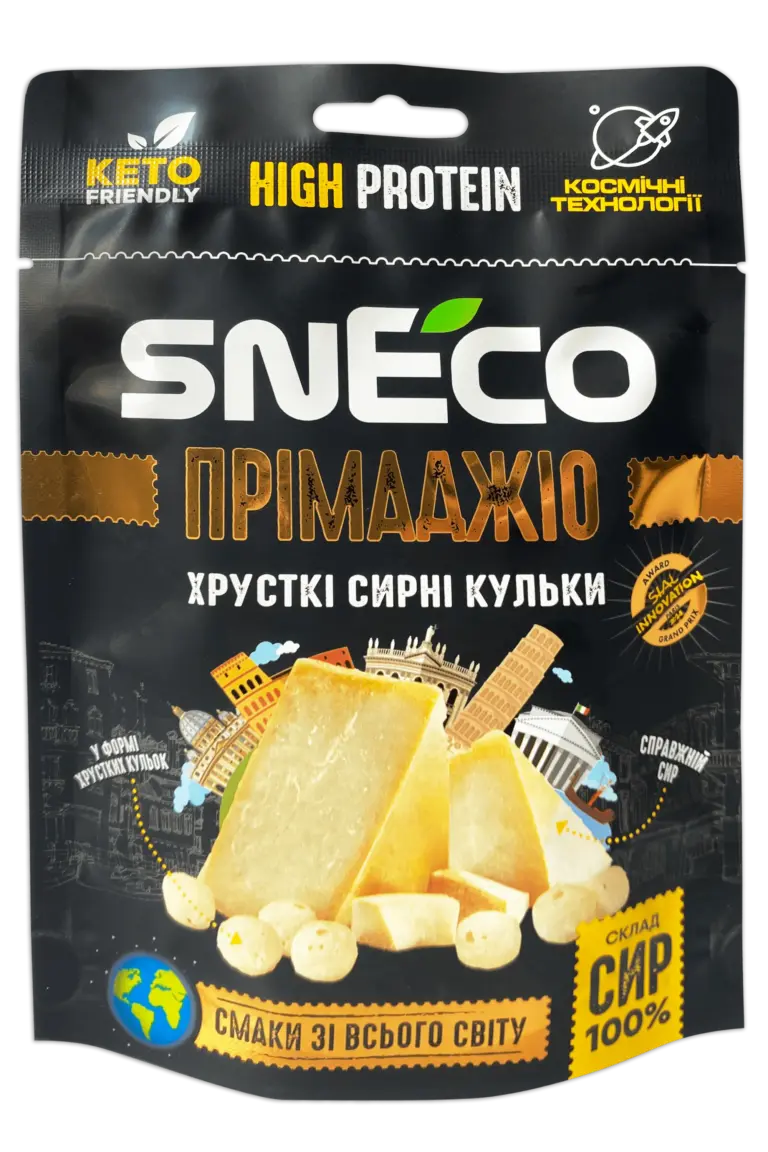
Short answer: hard cheeses contain 22–35 g of protein per 100 g: the most in Parmesan (≈35 g), followed by Cheddar and Gouda (≈25 g), Sulguni and Mozzarella (≈20–22 g). Soft and fresh cheeses have less: Brie ≈21 g, Feta ≈14 g, cottage cheese (homemade) ≈16–18 g. Dried cheese beats them all — 31–60 g per 100 g, because it contains no water.
Approximate average values for typical products; figures from a specific producer may differ by a few grams — check the label.
| Cheese | Protein, g | Fat, g | kcal | Note |
|---|---|---|---|---|
| Parmesan (aged) | ≈35 | ≈28 | ≈390 | the leader among regular cheeses |
| Cheddar | ≈25 | ≈33 | ≈400 | |
| Gouda | ≈25 | ≈27 | ≈355 | |
| Emmental | ≈28 | ≈29 | ≈380 | |
| Sulguni | ≈20 | ≈24 | ≈290 | brined, more water |
| Mozzarella (fresh, in brine) | ≈18–22 | ≈17–22 | ≈250–300 | lots of water |
| Brie | ≈21 | ≈28 | ≈335 | |
| Feta | ≈14 | ≈21 | ≈260 | |
| Cottage cheese (homemade, 9%) | ≈16–18 | ≈9 | ≈160 | |
| Tofu | ≈8 | ≈5 | ≈75 | soy-based, not dairy |
| snEco dried cheese | 31–60 | 24–47 | 480–690 | no water, 1 ingredient |
Not because it was added. Hard cheese is 35–45% water; remove the water and the same 100 g contains twice as much dry matter, including protein and fat. Gouda with 25 g of protein per 100 g gives 48 g after drying. That’s why a 28 g pack of dried cheese equals 70 g of fresh cheese in protein — as much as two eggs.
| snEco dried cheese | Protein per 100 g | Per 28 g pack |
|---|---|---|
| SUPERFOOD | 60 | 16.8 |
| Primaggio | 53.4 | 15 |
| Smoked Sulguni | 52 | 14.6 |
| Mozzarella | 49.4 | 13.8 |
| Gouda | 48.3 | 13.5 |
| Smoked Emmental | 46 | 12.9 |
| Cheddar | 42.3 | 11.8 |
Milk protein is casein (about 80%) and whey proteins (about 20%). Both contain all the essential amino acids, meaning it is a complete protein, as in meat and eggs. Casein is digested slowly, over several hours, so cheese keeps you full for a long time — which is why a piece of cheese “holds” you better than a bun with the same calories. In dried cheese the protein is the same: VacWave technology works at 36–38 °C, so the protein isn’t denatured by high temperatures as it is in frying.
The approximate requirement for an adult is 0.8–1 g of protein per kilogram of body weight; for those who train, 1.4–2 g. For a person weighing 70 kg, that’s 56–140 g of protein a day. Two packs of dried cheese (≈27 g of protein) cover a quarter to a half of that with no cooking — more details in the article Protein snack. But cheese also means fat and salt, so it makes sense for it to be one of your protein sources, not the only one.
Author: Pylyp Gryshyn, co-founder of snEco, head of production
Share on:

We’ll call you back and help!

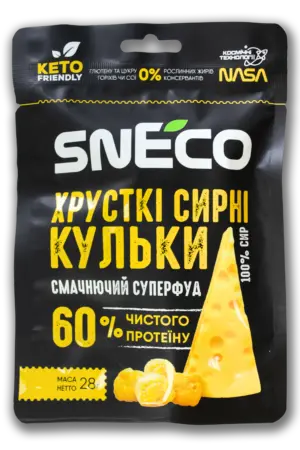 Dried snEco Cheese “Superfood”, 28 g
 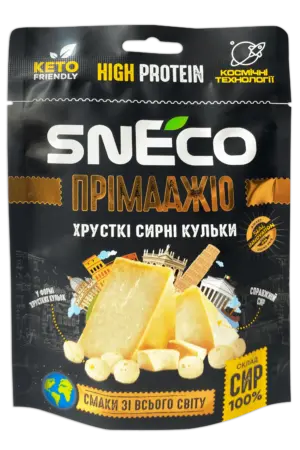 Dried snEco Cheese “Primaggio”, 28 g
 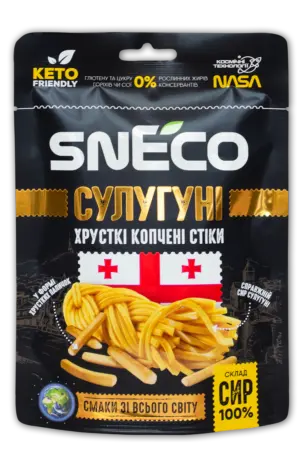 Dried snEco Cheese “Sulguni”, 28 g